Health & Wellness · Herbal Plants
Sambong
Blumea balsamifera
Get to know this leafy shrub and the research on formulated kidney-stone medicines.
Read the guide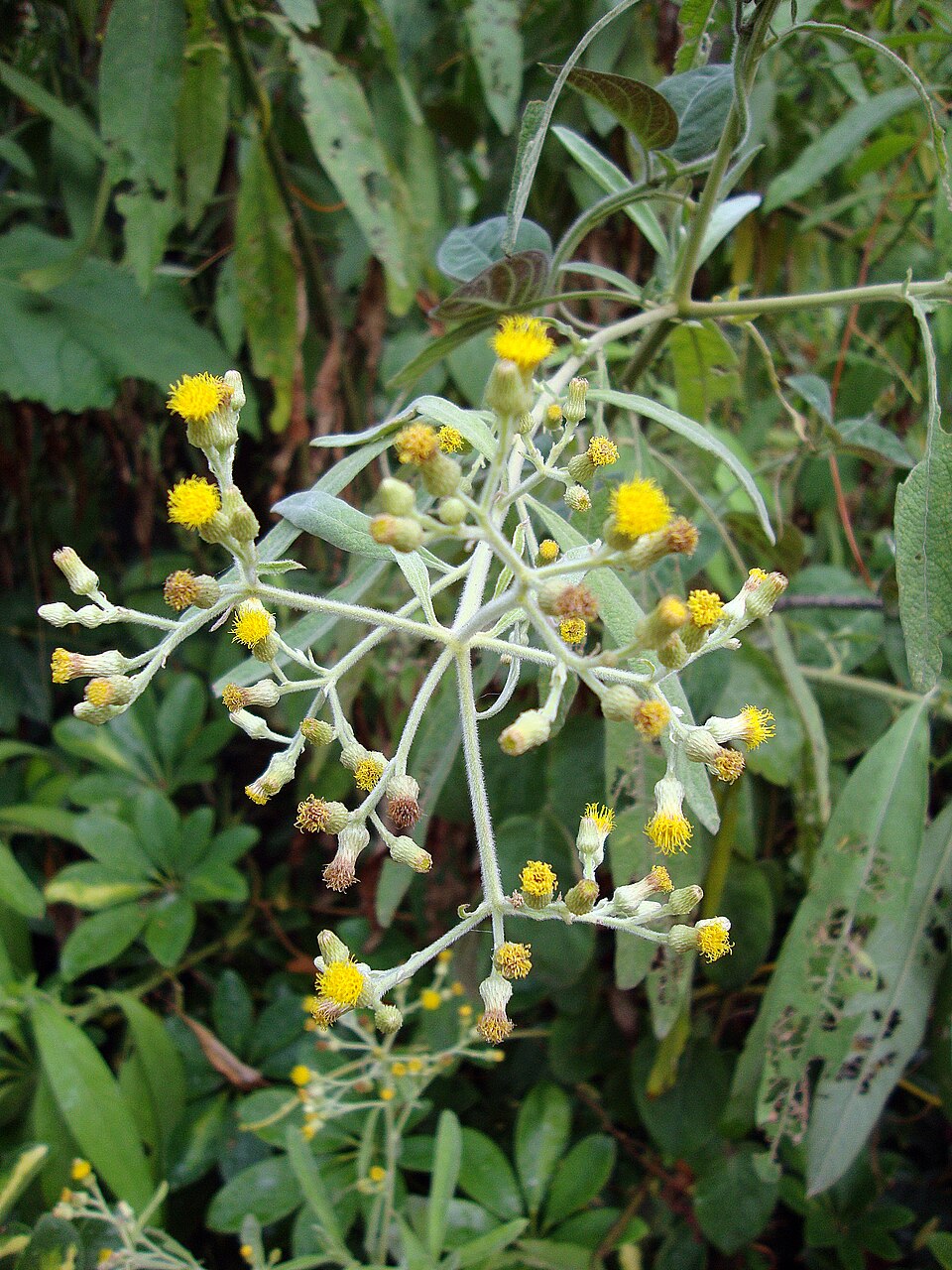
Know the plant
A woody-based shrub with elongated, toothed leaves, hairy undersides and clusters of small yellow flower heads. Compare the whole plant, not just a detached leaf.
Photos show examples, not a safe identification test. Common names vary. Confirm the species with a qualified plant expert; never taste an unknown plant to identify it.
Uses & what the research says
DOST–PCHRD describes a sambong leaf tablet developed for kidney stones and its diuretic effect. This is product-specific research, not proof that any sambong tea treats stones or a urinary infection.
Before using it
Ask your clinician first if you have kidney disease or a fluid restriction. Severe side or back pain, especially with fever, needs urgent assessment; do not wait for a herbal drink to work.
A place in your garden
Start with a correctly labelled nursery plant. Ask a local grower about soil and watering for your site, and leave space for this upright shrub rather than crowding it among small herbs.